Welcome STARK TOUCH DEVICE!


Blog
-

Maintenance of industrial control computer environmental monitoring systems
Regular hardware checks form the foundation of reliable environmental monitoring in industrial control systems. Begin by examining sensor calibration accuracy monthly, as drift in temperature, humidity, or pressure readings can compromise system integrity. For example, a chemical processing plant discovered a 15% deviation in humidity measurements after six months of operation, traced to condensatRead more -
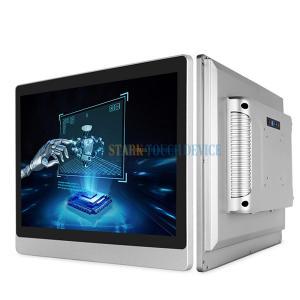
Maintenance and inspection of the grounding system for industrial control computers
Proper grounding is critical for industrial control computers to ensure operational stability, protect against electrical surges, and comply with safety standards. Neglected grounding systems can lead to data corruption, equipment damage, or even personnel hazards. This guide outlines key practices for maintaining and inspecting grounding infrastructure in industrial environments.Read more -

Troubleshooting and maintenance skills for hardware conflicts in industrial control computers
Industrial computers operating in harsh environments often exhibit instability due to hardware conflicts. Common signs includeRead more -

Repair and maintenance of software faults in industrial control computers
Software failures in industrial control computers can disrupt automation processes, leading to costly downtime. Unlike consumer systems, industrial software operates under strict real-time constraints, requiring specialized repair approaches. This guide covers common software issues, diagnostic methods, and step-by-step fixes tailored to industrial environments.Read more -

Cleaning and maintenance process for the cooling air ducts of industrial control computers
Proper airflow management is critical for industrial computers operating in harsh environments. Dust accumulation, thermal paste degradation, and fan malfunctions can disrupt airflow, leading to overheating and hardware failure. This guide outlines a systematic approach to maintaining cooling efficiency without requiring specialized tools.Read more