
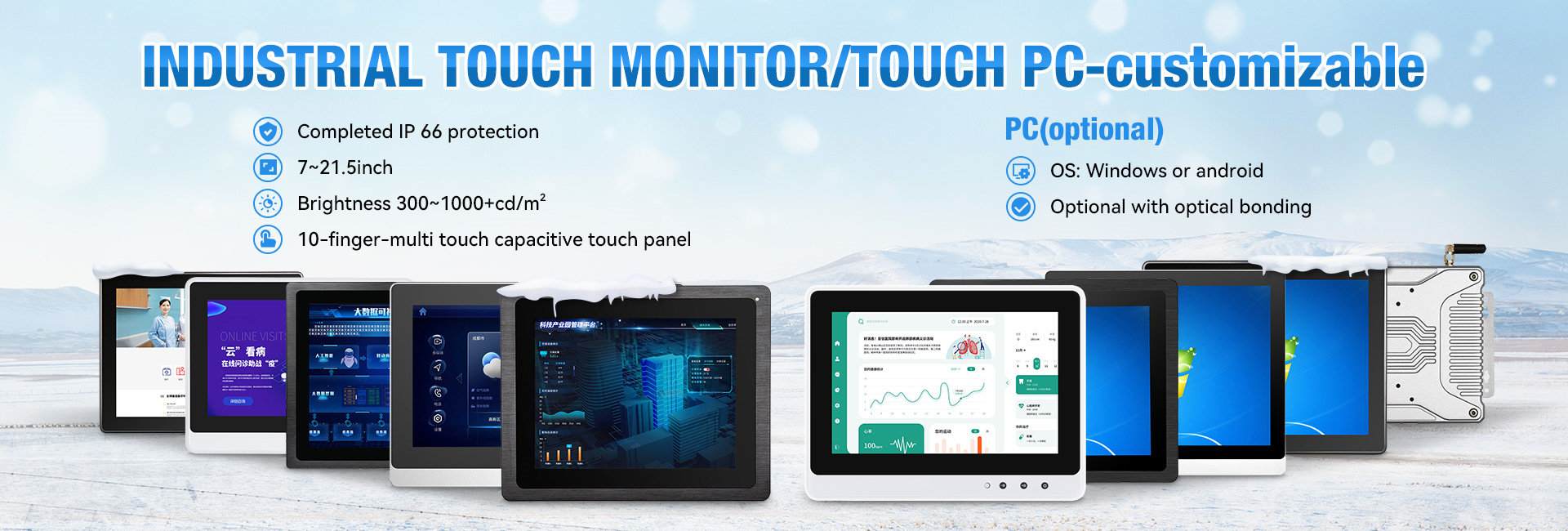
Industrial Touch Monitors & Panel PCs for OEM/ODM Projects
PRODUCT SERIES
PRODUCTS
-
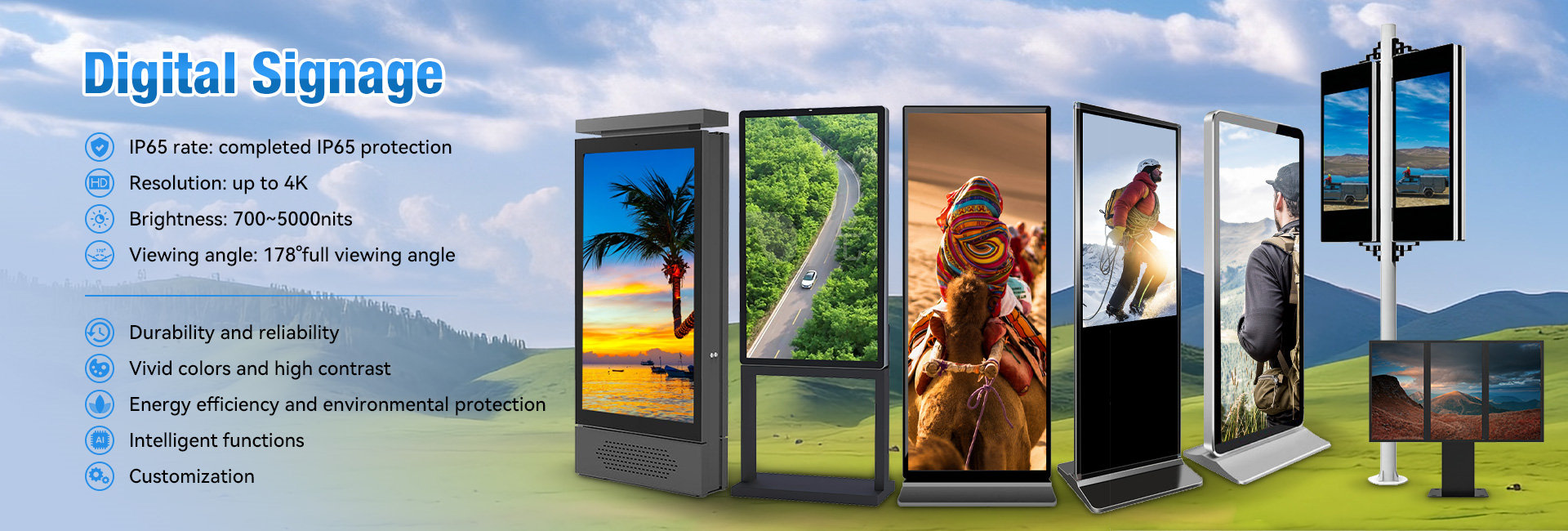
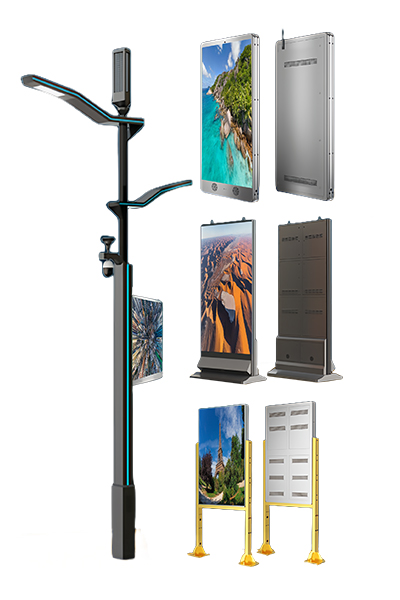
High-Brightness LED Floor Standing Sign for Outdoor Advertising & Digital Signage
-
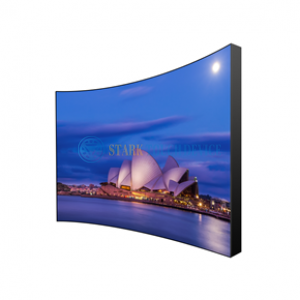
Curved Splicing Screen for Indoor Advertising and Displays
-
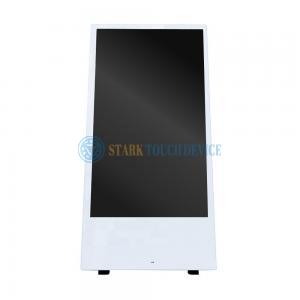
Movable IP65 Waterproof Outdoor Poster Display with HD Touchscreen
-
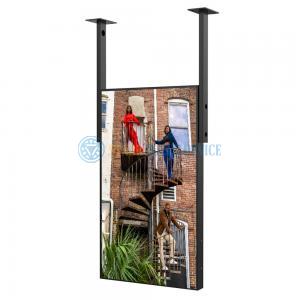
2500 Nits Indoor Hanging Digital Signage Display with Anti-Glare Screen
-
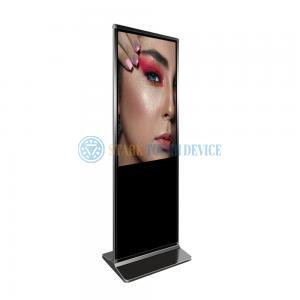
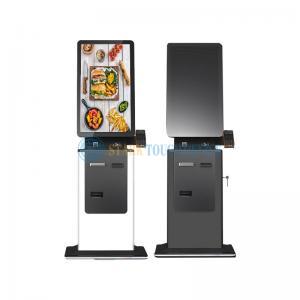
32 43 55 65 Inch Wifi 4K Floor Stand Touch screen monitor kiosk
-
23-inch Touch‑Screen Self‑Order Kiosk (Other Sizes Optional)
-
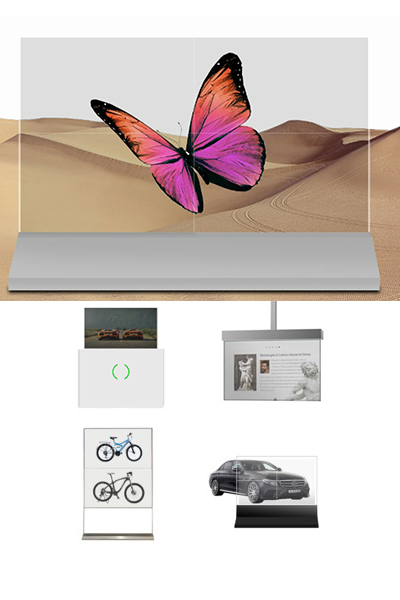
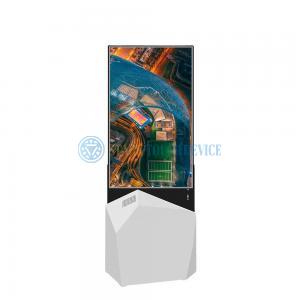
55-inch Transparent Super Slim Dual-Side LCD Digital Signage
-
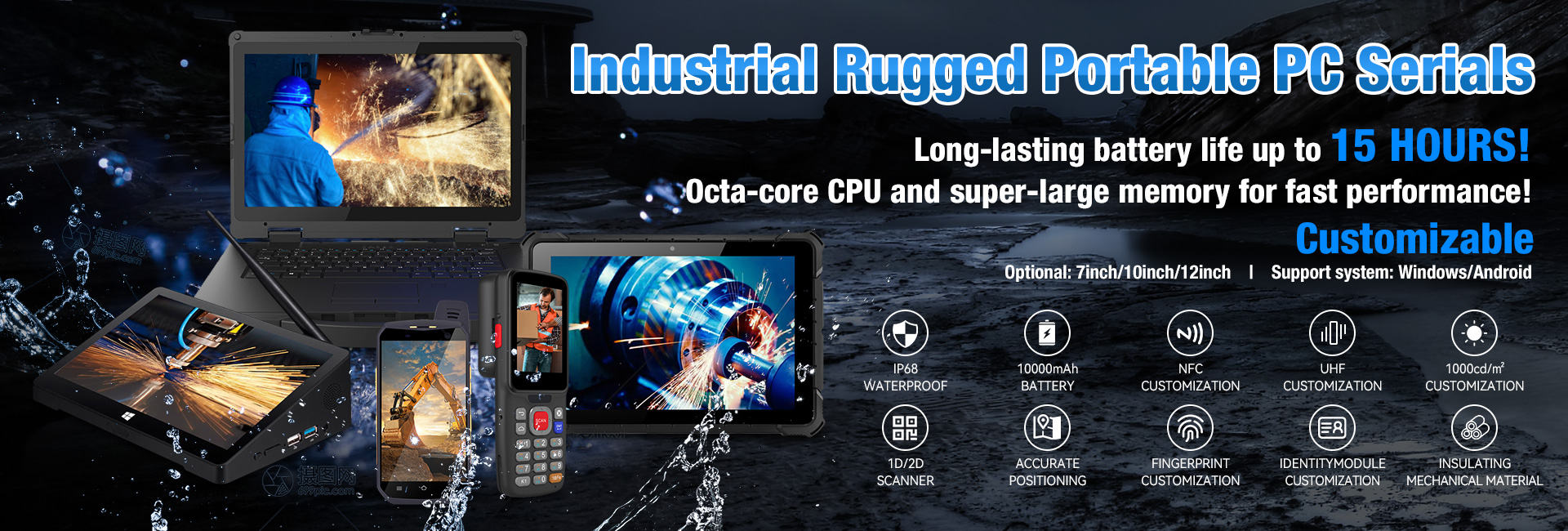
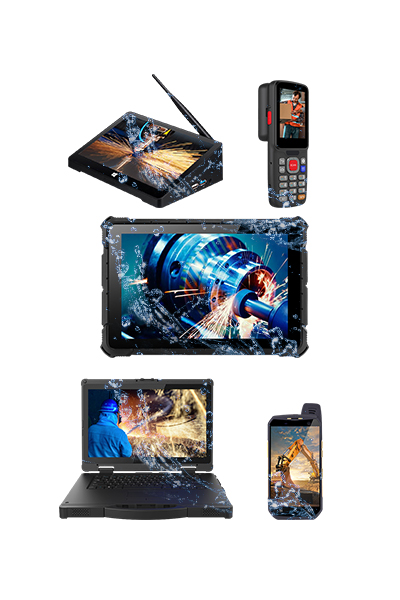
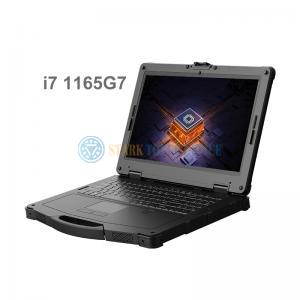
i5/i7 Rugged Industrial Laptop | Windows Interface | IP65 Waterproof
-
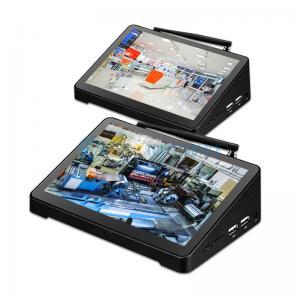
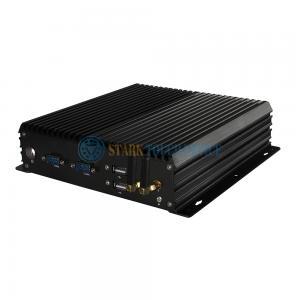
Industrial Box PC | Windows/Android Dual OS | 8-128GB Configurations
-
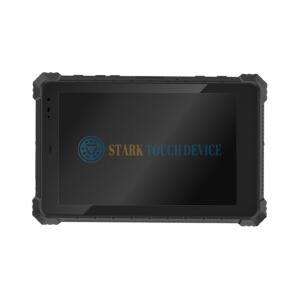
[6.0 inch] Rugged Handheld Terminal | Windows [10 IoT] | [IP65]
-
IP68 Industrial Tablet PC | Windows/Android | i5/i7 | 1000nit Sunlight Readable
-
X86 Rugged Embedded Computer | Intel i3/i5/i7 | IP65 Industrial Grade
-
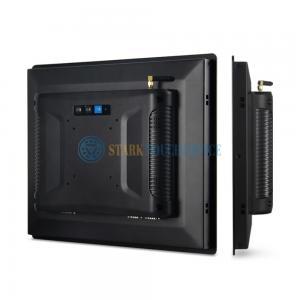
Fanless Industrial Panel PC | Wide-Temperature Operation | IP65 Sealed Design
-
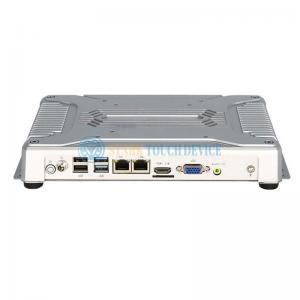
X86 Industrial Mini PC | Fanless Design | Intel i3/i5/i7 | Wide-Temperature
-
Stainless Steel Waterproof All-in-One Touch PC | IP67 | Sanitary Grade
-
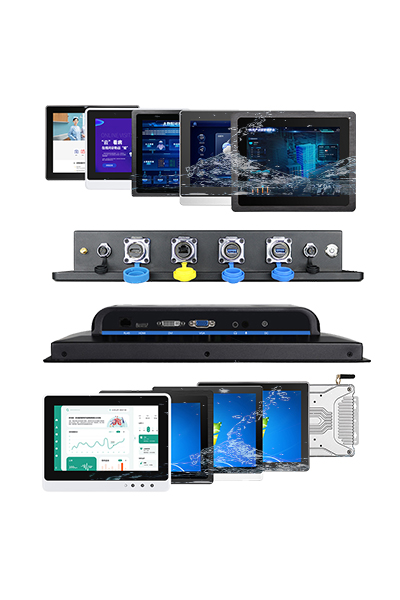
External Embedded Capacitive Touch Monitor | IP65 Waterproof | Machine-Mountable Design
![[6.0 inch] Rugged Handheld Terminal | Windows [10 IoT] | [IP65]](/Uploads/pro/6.0inch-handheld-[model].28.1.jpg)
ABOUT US
COMPANY PROFILE

Countries and regions are covered
100+
Researchers are employed
30+
Devices sold worldwide
600000+
Provide odm/oem services
200+
Successful cases
-
Outdoor Billboard Display Solution: Solution Guide for System Integrators
-
Outdoor Billboard Display Buyer Guide: How to Define Your Project
-
Embedded Display Project Buyer Guide: How to Define an Embedded Display Project
-
LED smart display
-
LCD indoor display
-
LCD outdoor display
-
OLED transparent display
-
LCD splicing screen display



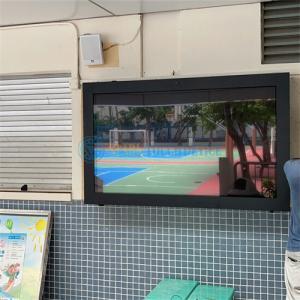
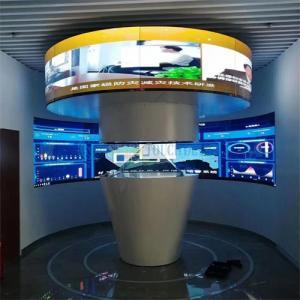
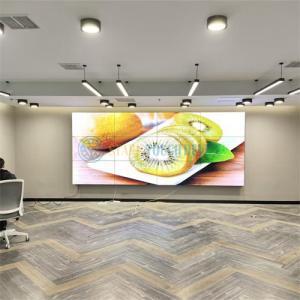
Solutions
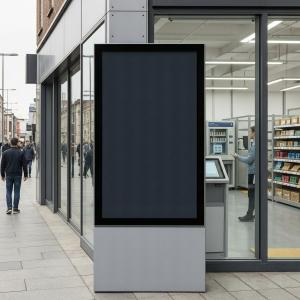
Verify brightness, ingress protection, operating temperature range, and sunlight readability before ordering any outdoor billboard display. These four...

Optical bonding is a clear optical adhesive that fills the air gap between a display's cover glass and its LCD panel. It removes internal reflections and...

For the Stark Touch Device STD215I7TPCOB, verify the 21.5-inch 16:9 capacitive panel, IP65 sealing, optical bonding, i7-class computing, DC power input, and...
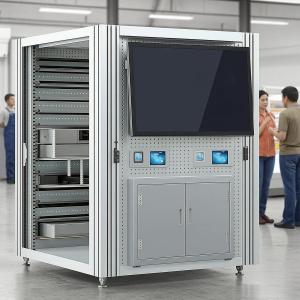
Verify the 15.6" 1000-nit open-frame monitor's IP rating, optical bonding, operating temperature range, and customization scope before ordering. Standard...

For the 15.6" IP65 stainless steel optical bonding touch panel PC (model STD156SSJ1900TPC), verify five things before ordering: the IP65 seal is rated for the...

12.1-Inch High-Brightness Optical Bonded Touch Panel PC (STD121TPCOBOD): What Buyers Must Verify Bef
For the 12.1" High-Brightness Optical Bonded Touch Panel PC (Model STD121TPCOBOD), verify these confirmed specs: 1280 x 800 resolution, 1000 nits brightness...
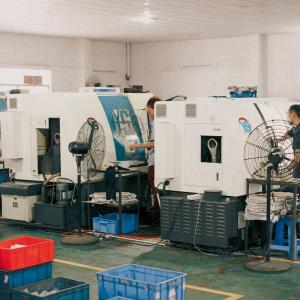
For the 10.4 inch 1000-nit optical bonded industrial touch monitor (model STD104TMOB), verify six things before ordering: 1024 x 768 resolution at 4:3, 1000...
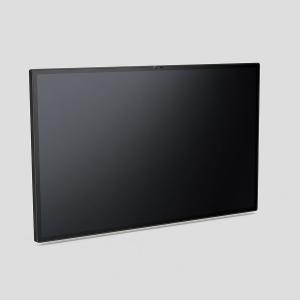
10.1-Inch Open-Frame High-Brightness Touch Monitor 1000 Nits Optically Bonded: Buyer Verification Gu
For the 10.1" open-frame high-brightness touch monitor (model STD101OFTMOB), verify five things before ordering: the 1000-nit brightness is panel-level, the...