Welcome STARK TOUCH DEVICE!


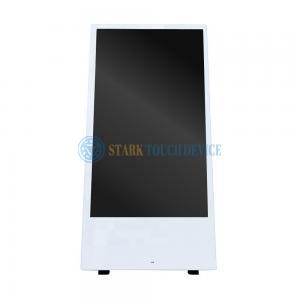
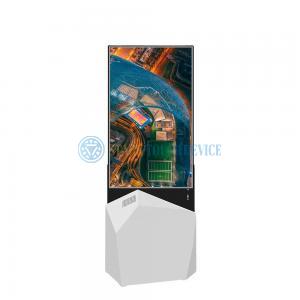
LCD Digital Signage Display
Digital signage covers the commercial displays used to present advertising, information and wayfinding to a public audience. This section groups the two main installation environments: screens used indoors, and screens that have to work outdoors or behind glass.
What separates signage from a television
A commercial signage display is specified for continuous operation, for a fixed orientation that never changes, and for control rather than for a remote handset. That is why the interesting questions in a signage project are rarely about resolution. They are about how bright the screen has to be for its position, how the content reaches it, who updates it, and what happens when the network or the player fails.
Brightness follows the light, not the size
The single most common specification error is choosing brightness by screen size instead of by the light falling on the glass. A screen in a corridor and a screen facing a shop window are the same product only on paper. Where reflections rather than raw brightness are the problem, optical bonding raises contrast without increasing power consumption.
Formats beyond a single panel
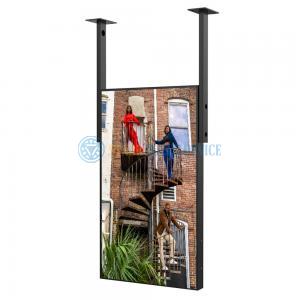
Some installations are not one screen. Video walls built from splicing displays, narrow strip and shelf-edge formats, transparent panels, and hanging or wall-mounted units each solve a specific layout problem. Choosing the format early keeps the mounting, the content aspect ratio and the service access consistent.
Content and operation
The display is only half of a signage system. Before purchase it is worth settling who publishes content, how often it changes, whether playback continues when the network drops, whether the site has power and data at the mounting point, and how a failed screen will be diagnosed. These questions determine whether the project needs a managed player, a simple media stick or a feed from an existing system.
How to use this section
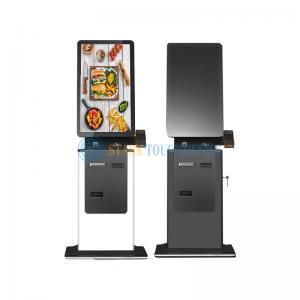
Start from the installation environment rather than from a product list. Decide indoor or outdoor, whether the screen faces daylight, whether it is touched, how large the image has to be and how far away the audience stands. Those answers narrow the choice far more than any specification table can.