Welcome STARK TOUCH DEVICE!


Rugged Portable PCs
Rugged portable computers are bought for people who work away from a desk: field engineers, logistics and warehouse staff, utility and telecom crews, emergency services, agriculture and construction supervisors. The specification is written around a working day outdoors or on a factory floor, not around office software.
What "rugged" actually covers
Three separate properties are usually bundled under one word. Ingress protection covers dust and water and follows the IP scale. Mechanical survival covers drops, vibration and shock, and is normally described against a test standard rather than a marketing claim. Environmental range covers the temperatures the unit must start and run in, which is often the constraint that eliminates consumer hardware.
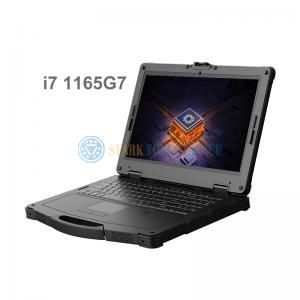
These properties trade against weight, screen size and battery life. A handheld that survives a two-metre drop onto concrete is a different product from a 15-inch fully rugged laptop, and projects that treat them as interchangeable usually end up with equipment that is either too heavy to carry or too fragile to last.
Choosing between laptop, tablet and handheld
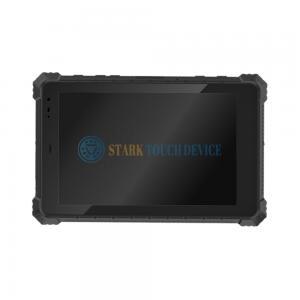
Laptops suit work that needs a keyboard and a larger screen, such as diagnostics or configuration in the field. Tablets suit form-filling, inspection records and photographs, where the device is held rather than typed on. Handhelds suit scanning and short transactional tasks where the device is carried all day. Many deployments mix two of the three, which makes docking and battery strategy worth agreeing early.
Screen and input in daylight
Field use means daylight. A high-brightness display with an anti-reflective or anti-glare surface is usually the difference between a usable device and one that lives in a bag. Touch input has to work with gloves, wet hands or a stylus, and where the screen faces a window or direct sun, optical bonding improves contrast without adding power.
Power, connectivity and service life
Battery strategy separates a device that lasts a shift from one that does not: hot-swap packs, vehicle charging and docking all belong in the plan. Connectivity requirements usually include Wi-Fi, mobile data, GPS and sometimes barcode or RFID, and the sealed connector and antenna design follow from them.
Finally, portable equipment is exposed to hard handling, so serviceability matters as much as the specification: replaceable batteries, accessible storage and a supply commitment for the years the fleet is in service. For fixed installations in the same environment, the indoor digital signage range or outdoor range may be the more economical route.