Welcome STARK TOUCH DEVICE!


Blog
Serial port quantity specification of industrial control computer
Serial Port Quantity Specifications for Industrial Control Computers
Industrial control computers are essential components in industrial automation, and their serial port configurations play a crucial role in connecting various industrial devices. Understanding the typical serial port quantity specifications helps in selecting the right industrial control computer for specific applications.
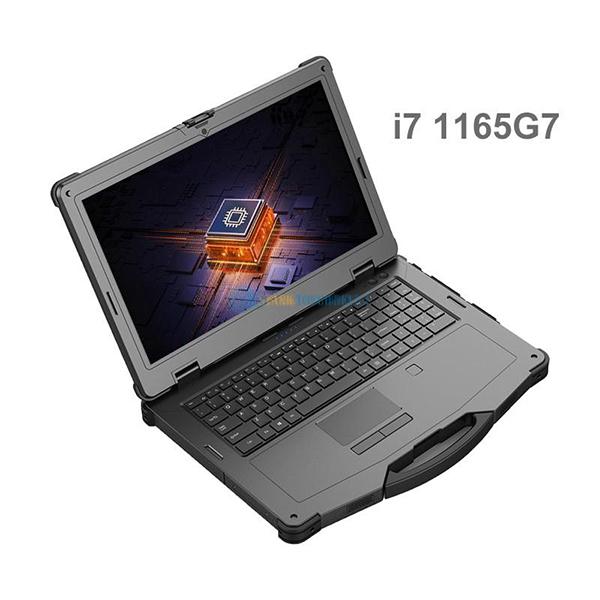
Common Serial Port Quantities
Industrial control computers generally come with a varying number of serial ports, depending on their intended use and complexity.
Basic Configurations: Entry-level industrial control computers may feature 2 to 4 serial ports. These are suitable for applications with limited device connectivity requirements, such as small-scale automation systems or simple monitoring tasks. For instance, a basic industrial control computer might have 2 RS-232 ports for connecting sensors and a single display device.
Mid-Range Configurations: Mid-range industrial control computers often offer 4 to 8 serial ports. This provides greater flexibility for connecting multiple industrial devices, such as PLCs, sensors, actuators, and human-machine interfaces (HMIs). In a medium-sized manufacturing facility, an industrial control computer with 6 serial ports can efficiently manage communication with various equipment on the production line.
High-End Configurations: High-end industrial control computers can be equipped with 8 or more serial ports, sometimes even up to 16 or more. These are designed for complex industrial automation systems that require extensive device connectivity. For example, in a large-scale power plant, an industrial control computer with 12 serial ports can handle communication with numerous monitoring and control devices across different sections of the plant.
Factors Influencing Serial Port Quantity
Several factors influence the number of serial ports needed in an industrial control computer:
Number of Connected Devices: The primary factor is the number of industrial devices that need to be connected to the control computer. Each device, such as a sensor, actuator, or PLC, typically requires a dedicated serial port for communication. Therefore, the more devices there are, the more serial ports are needed.
Type of Communication Protocol: Different industrial devices may use different communication protocols, such as RS-232, RS-485, or Modbus. Some protocols may require specific serial port configurations or additional hardware for proper communication. For example, RS-485 supports multi-drop communication, allowing multiple devices to be connected to a single serial port, which can reduce the overall number of ports needed.
Future Expansion Needs: It's important to consider future expansion when determining the number of serial ports. Industrial systems often evolve over time, with new devices being added or existing ones being upgraded. Having additional serial ports can provide room for future growth without requiring a complete system overhaul.
Application-Specific Serial Port Requirements
Different industrial applications have varying serial port requirements based on their unique characteristics:
Process Control: In process control applications, such as chemical manufacturing or oil refining, industrial control computers need to communicate with a large number of sensors and control devices. These applications often require a high number of serial ports to ensure real-time monitoring and precise control of the process parameters. For example, a chemical plant may use an industrial control computer with 10 or more serial ports to connect to temperature, pressure, and flow sensors throughout the production process.
Discrete Manufacturing: Discrete manufacturing applications, like automotive assembly or electronics production, involve the coordination of multiple machines and robots. Industrial control computers in these settings need sufficient serial ports to communicate with programmable logic controllers (PLCs) that control the machines. A typical discrete manufacturing facility may require an industrial control computer with 6 to 8 serial ports to manage the communication with various PLCs on the production line.
Building Automation: Building automation systems, which control heating, ventilation, air conditioning (HVAC), lighting, and security systems, also rely on industrial control computers with an appropriate number of serial ports. These systems need to communicate with a variety of devices, such as thermostats, sensors, and actuators. An industrial control computer with 4 to 6 serial ports can often meet the connectivity requirements of a medium-sized building automation system.