Welcome STARK TOUCH DEVICE!


LCD splicing screen display
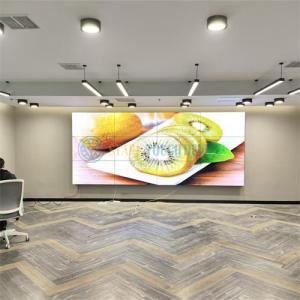
An LCD splicing screen is a display designed to be butted against identical units to form one large image. The seam between cabinets is the defining feature of the format, and almost every practical decision in a video wall project follows from how visible that seam will be.
Bezel width sets the limit
No splicing display has zero bezel, so the combined width of two adjacent edges defines the smallest uninterrupted line the wall can show. That figure, not the diagonal size, decides whether the wall suits a single large picture or is better used for multiple windows, dashboards and content that does not cross the seam. Content design and panel choice therefore have to be decided together.
Layout and mounting
Walls are usually described as rows by columns, and the arrangement determines the aspect ratio the content has to be produced in. Two common starting points in this range are the curved splicing screen for feature walls and the seamless LCD splicing screen where the gap between cabinets has to stay as unobtrusive as possible.
Mounting is normally a purpose-made bracket system that allows fine adjustment in three axes; the tolerances matter because small errors accumulate across a wall. Service access, cable routing, power distribution and heat removal all need to be planned before the first cabinet is hung, since the wall cannot easily be dismantled afterwards.
Panel consistency
Panels in a wall are compared side by side by every viewer, so consistency between units matters more than the absolute quality of any one unit. Brightness and colour should be matched across the batch, and where the wall runs for long hours it is worth planning for how ageing differences will be corrected. For curved or unusually shaped walls, see the formats built for video wall and creative installations.
Where splicing walls are used
Control rooms and operations centres, retail and brand environments, lobbies and reception areas, transport and public information, and presentation spaces. Each has a different tolerance for the seam: an operations dashboard is usually read as separate windows, while a brand display is judged as one image.
What to confirm before ordering
The viewing distance and whether the seam will be seen; the intended layout and the content aspect ratio that follows; the mounting structure available and its load capacity; power, signal routing and heat removal; and who will service the wall. For installations where a single screen is enough, compare the digital signage range first.