Welcome STARK TOUCH DEVICE!


Blog
Remote diagnosis and maintenance of industrial control computers
Remote Diagnostic Maintenance for Industrial Control Computers
In the realm of industrial automation, industrial control computers are the cornerstone that ensures smooth and efficient operations. However, like any complex system, they are prone to malfunctions and issues that can disrupt production. Remote diagnostic maintenance has emerged as a powerful solution to address these challenges, enabling quick and effective troubleshooting without the need for on - site visits in many cases.
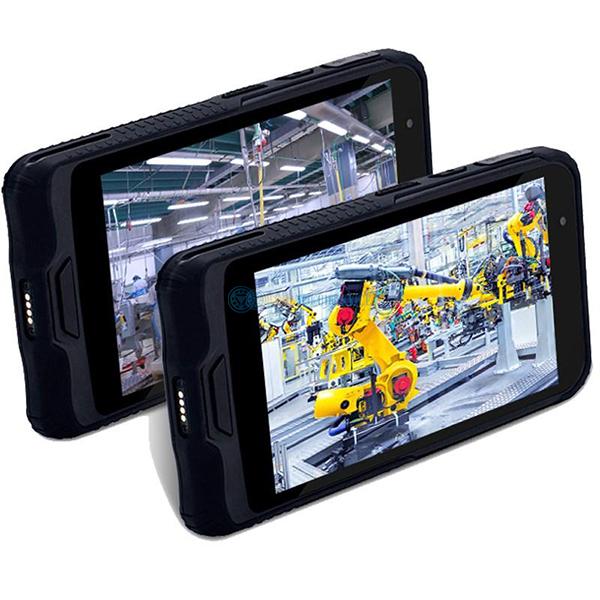
Benefits of Remote Diagnostic Maintenance
Reduced Downtime
One of the most significant advantages of remote diagnostic maintenance is the substantial reduction in downtime. When an industrial control computer encounters a problem, every minute of inactivity can translate into significant financial losses for a manufacturing facility. With remote access, technicians can immediately connect to the affected system from anywhere in the world. They can quickly diagnose the issue, whether it's a software glitch, a hardware malfunction, or a communication problem. By identifying and resolving the problem remotely, the time required to get the system back up and running is minimized, ensuring that production can resume as soon as possible.
Cost - Effectiveness
Remote diagnostic maintenance is also highly cost - effective. Traditional on - site maintenance often involves travel expenses, including transportation, accommodation, and per diem for technicians. These costs can quickly add up, especially for facilities located in remote areas or for multiple maintenance visits. With remote access, these travel - related expenses are eliminated. Technicians can perform diagnostics and even make some repairs remotely, reducing the need for physical presence on - site. This not only saves money but also allows for more efficient allocation of maintenance resources.
Improved Response Time
In industrial environments, quick response to system issues is crucial to prevent minor problems from escalating into major disruptions. Remote diagnostic maintenance enables technicians to respond immediately to alerts and notifications about potential problems with industrial control computers. They can access the system in real - time, analyze the data, and take appropriate actions to resolve the issue before it causes significant damage or production delays. This proactive approach to maintenance helps to maintain the stability and reliability of the industrial control system.
Key Technologies Enabling Remote Diagnostic Maintenance
Secure Remote Access Protocols
Secure remote access protocols are the foundation of remote diagnostic maintenance. These protocols ensure that the connection between the technician's remote device and the industrial control computer is encrypted and protected from unauthorized access. Common protocols such as Virtual Private Networks (VPNs) create a secure tunnel over the public internet, allowing technicians to access the system as if they were physically present on - site. Additionally, other security measures like multi - factor authentication and access control lists are often implemented to further enhance the security of the remote connection, preventing potential cyber threats from compromising the industrial control system.
Data Collection and Monitoring Tools
Data collection and monitoring tools play a vital role in remote diagnostic maintenance. These tools continuously collect data from the industrial control computer, including system performance metrics, error logs, and sensor readings. The collected data is then transmitted to a central monitoring station or stored in a cloud - based platform where technicians can access it remotely. By analyzing this data, technicians can identify patterns and trends that may indicate potential problems before they occur. For example, abnormal temperature readings from a hardware component could be an early sign of a failure, allowing technicians to take preventive action before the component fails completely.
Remote Control and Configuration Software
Remote control and configuration software enable technicians to perform various tasks on the industrial control computer remotely. This software allows technicians to access the system's user interface, make configuration changes, install software updates, and even restart or reboot the system if necessary. Some advanced remote control software also offers features such as screen sharing, which allows technicians to view the system's display in real - time and guide on - site personnel through troubleshooting steps if needed. This level of remote control gives technicians the flexibility to manage and maintain the industrial control computer from a distance, reducing the need for physical intervention.
Challenges and Solutions in Remote Diagnostic Maintenance
Network Connectivity Issues
One of the main challenges in remote diagnostic maintenance is network connectivity problems. Industrial facilities are often located in areas with limited or unreliable internet access. Poor network connectivity can disrupt the remote connection, making it difficult for technicians to access the system and perform diagnostics. To address this challenge, facilities can implement redundant network connections, such as using both wired and wireless connections or having backup internet service providers. Additionally, network optimization techniques can be used to improve the stability and speed of the connection, ensuring that remote access is always available when needed.
Security Concerns
Security is a major concern when it comes to remote diagnostic maintenance of industrial control computers. Since these systems are critical to industrial operations, any unauthorized access or cyber - attack could have severe consequences. To mitigate security risks, facilities should implement a comprehensive security strategy that includes regular security audits, software updates, and employee training on cybersecurity best practices. Additionally, using secure remote access protocols and encryption technologies, as mentioned earlier, is essential to protect the system from external threats. It's also important to restrict remote access to authorized personnel only and implement strict access control policies.
Technical Complexity
The technical complexity of industrial control computers can pose a challenge for remote diagnostic maintenance. These systems often involve a combination of hardware and software components from different vendors, each with its own set of configurations and troubleshooting procedures. Technicians need to have a deep understanding of the system architecture and be familiar with the various components to effectively diagnose and resolve issues remotely. To overcome this challenge, facilities can provide comprehensive training to their maintenance staff on the specific industrial control computer systems they use. Additionally, creating detailed documentation and knowledge bases about the system's configuration and troubleshooting steps can help technicians quickly access the information they need during remote maintenance sessions.