Welcome STARK TOUCH DEVICE!


Blog
Volume selection of industrial control computers for small production lines
Selecting the Right Size for Industrial Control Computers in Small-Scale Production Lines
Industrial control computers are essential for automating processes in small-scale production environments, where space constraints and operational demands require precise hardware selection. Choosing the optimal size involves evaluating spatial limitations, performance needs, and environmental adaptability. Below are critical factors to guide this decision-making process.
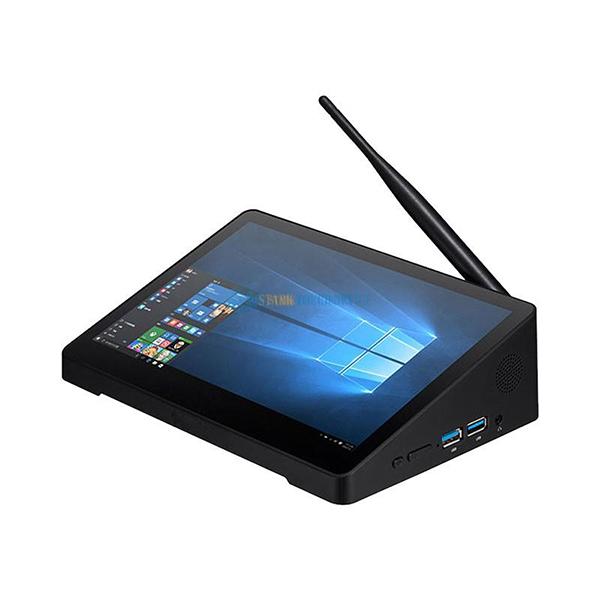
Space Constraints and Integration Flexibility
Small-scale production lines often prioritize compact equipment to maximize floor space and enable seamless integration into existing setups. Computers with ultra-thin profiles or rack-mounted designs (e.g., 1U or 2U form factors) are ideal for tight spaces like control cabinets or equipment enclosures. These units minimize physical footprint while maintaining accessibility for maintenance.
For applications requiring direct operator interaction, such as human-machine interfaces (HMIs), smaller display sizes (e.g., 10.1-inch or 15-inch panels) balance visibility and space efficiency. These screens fit comfortably into compact workstations or mobile carts, ensuring ergonomic use without overwhelming limited desk areas.
Performance Requirements and Computational Power
The computational demands of small-scale production vary based on tasks like real-time monitoring, data acquisition, or machine control. Low-power processors (e.g., ARM-based or Intel Atom chips) suit basic automation tasks, offering energy efficiency and reduced heat generation—critical for enclosed environments.
For more complex operations, such as multi-axis robotic control or high-speed data processing, mid-range CPUs (e.g., Intel Core i3/i5 or AMD Ryzen equivalents) provide sufficient power without requiring bulky cooling systems. These processors handle simultaneous tasks while maintaining reliability in 24/7 operation cycles.
Storage capacity also plays a role. Solid-state drives (SSDs) are preferred for their shock resistance and fast read/write speeds, ensuring quick access to operational data. Smaller SSDs (128GB–256GB) suffice for basic logging, while larger capacities (512GB+) support applications with extensive data retention needs.
Environmental Adaptability and Durability
Industrial environments expose computers to dust, vibrations, and temperature fluctuations, necessitating rugged designs. Fanless cooling systems eliminate moving parts, reducing failure risks in dusty settings. Passive heat dissipation via heat sinks or conductive materials maintains stable temperatures without compromising performance.
Temperature tolerance is another critical factor. Computers rated for wide operating ranges (e.g., -20°C to 70°C) withstand extreme conditions, such as cold storage facilities or outdoor installations. This durability ensures consistent operation without frequent replacements or downtime.
Mounting Options and Deployment Versatility
The physical deployment method influences size selection. Wall-mounted or panel-mounted computers save floor space, while DIN rail installations integrate seamlessly into electrical cabinets. For mobile applications (e.g., forklifts or AGVs), lightweight, compact units with reinforced enclosures resist vibrations and impacts during movement.
Connectivity and Expansion Needs
Small-scale production lines often rely on diverse peripherals, from sensors to actuators. Computers must offer sufficient I/O ports (e.g., USB, Ethernet, RS-232/485) to connect these devices without additional hubs. Some applications may require legacy support for older machinery, necessitating compatibility with serial communication protocols.
Expansion slots for PCIe cards or additional storage drives are valuable for future-proofing. While smaller units limit expansion, mid-sized models (e.g., 2U rackmount) balance compactness with scalability, accommodating growing operational demands.
By aligning size selection with spatial, performance, and environmental factors, small-scale production lines can deploy industrial control computers that enhance efficiency without compromising reliability. This tailored approach ensures optimal integration into existing workflows while supporting long-term operational goals.