Welcome STARK TOUCH DEVICE!


Blog
Detection of the power module of the industrial control computer
Detecting Issues in Power Modules of Industrial Control Computers
Importance of Power Module Detection in Industrial Control Computers
Industrial control computers are the backbone of numerous industrial operations, managing and regulating complex processes. The power module is a critical component that supplies stable electrical energy to all other parts of the computer. A malfunctioning power module can lead to system instability, data loss, and even complete shutdown of industrial processes.
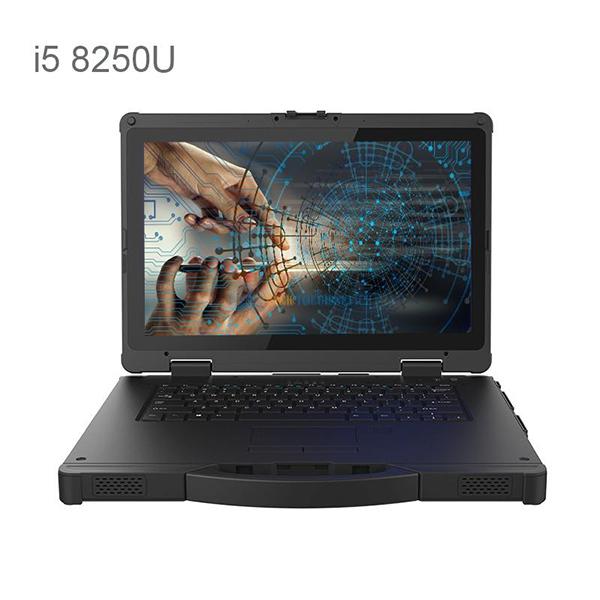
For instance, in a manufacturing plant, an unstable power supply to the industrial control computer can disrupt the operation of automated machinery, resulting in production delays and potential damage to equipment. In power generation facilities, a faulty power module could affect the monitoring and control systems, posing safety risks. Therefore, regular and accurate detection of power module issues is essential to ensure the reliable and continuous operation of industrial control computers.
Visual Inspection Techniques for Power Modules
Checking for Physical Damage
Start by visually inspecting the power module for any obvious signs of physical damage. Look for cracks, dents, or burns on the outer casing. These could be indicators of overheating, electrical arcing, or physical impact. For example, a burn mark on the casing might suggest an internal short - circuit that caused excessive heat generation.
Examine the connectors and cables attached to the power module. Ensure that they are securely connected and free from corrosion. Loose or corroded connectors can lead to poor electrical contact, resulting in voltage fluctuations or power interruptions. If any connectors appear damaged, they may need to be replaced to prevent further issues.
Inspecting for Dust and Debris Accumulation
Dust and debris can accumulate on the power module over time, especially in industrial environments where there is a high level of airborne particles. This build - up can act as an insulator, trapping heat and causing the power module to overheat. Use a soft - bristled brush or compressed air to gently remove any dust or debris from the surface of the power module and its cooling fins (if present). Be careful not to damage any delicate components during the cleaning process.
Electrical Parameter Measurement for Power Module Detection
Measuring Input Voltage
Use a multimeter to measure the input voltage supplied to the power module. Ensure that the voltage is within the specified range indicated by the manufacturer. Fluctuations in the input voltage can stress the power module and lead to premature failure. If the input voltage is consistently outside the normal range, it may be necessary to investigate the source of the voltage problem, such as a faulty power supply or unstable electrical grid.
Checking Output Voltage and Current
Measure the output voltage and current of the power module using appropriate testing equipment. The output voltage should be stable and within the required tolerance for the industrial control computer components. A significant deviation from the specified output voltage can cause malfunctions in the computer's circuitry.
Similarly, check the output current to ensure that it is within the rated capacity of the power module. Overloading the power module by drawing excessive current can lead to overheating and damage. If the output current is consistently high, it may indicate a problem with the connected components, such as a short - circuit or a faulty device that is drawing too much power.
Monitoring Power Factor
The power factor is an important electrical parameter that indicates the efficiency of power usage in an AC circuit. A low power factor can result in increased energy consumption and additional stress on the power module. Use a power quality analyzer to measure the power factor of the power module. If the power factor is below the recommended level, it may be necessary to install power factor correction devices to improve the efficiency of the power supply.
Functional Testing Methods for Power Modules
Load Testing
Perform a load test on the power module to simulate real - world operating conditions. Connect a load that is representative of the actual load the power module will supply to the industrial control computer. Monitor the power module's performance during the load test, including its ability to maintain stable output voltage and current.
Gradually increase the load to the maximum rated capacity of the power module and observe for any signs of instability, such as voltage drops or overheating. If the power module fails to perform adequately under load, it may need to be repaired or replaced.
Soft - Start and Shutdown Testing
Test the soft - start and shutdown functions of the power module. A proper soft - start function gradually increases the output voltage to prevent inrush currents that can damage connected components. During shutdown, the power module should smoothly reduce the output voltage to avoid sudden power interruptions.
Use appropriate testing equipment to monitor the voltage and current profiles during soft - start and shutdown. If there are any abnormalities, such as excessive inrush currents or voltage spikes, it may indicate a problem with the power module's control circuitry.
Protection Function Testing
Industrial control computer power modules are typically equipped with various protection functions, such as over - voltage protection, over - current protection, and short - circuit protection. Test these protection functions to ensure that they are working correctly.
For example, to test over - voltage protection, gradually increase the input voltage above the normal operating range and observe if the power module shuts down or takes appropriate action to protect the connected components. Similarly, test over - current and short - circuit protection by creating simulated over - current and short - circuit conditions and verifying that the power module responds as expected.