Welcome STARK TOUCH DEVICE!


Blog
Industrial control computer chassis size specification
Understanding Industrial Control Computer Chassis Size Specifications
Industrial control computers (ICCs) are designed to operate in demanding environments, and their chassis play a crucial role in protecting internal components while ensuring efficient cooling and ease of maintenance. The size specifications of an ICC chassis are determined by several factors, including the intended application, available space, and the need for specific expansion capabilities. This guide explores the common chassis size categories and their typical use cases in industrial settings.
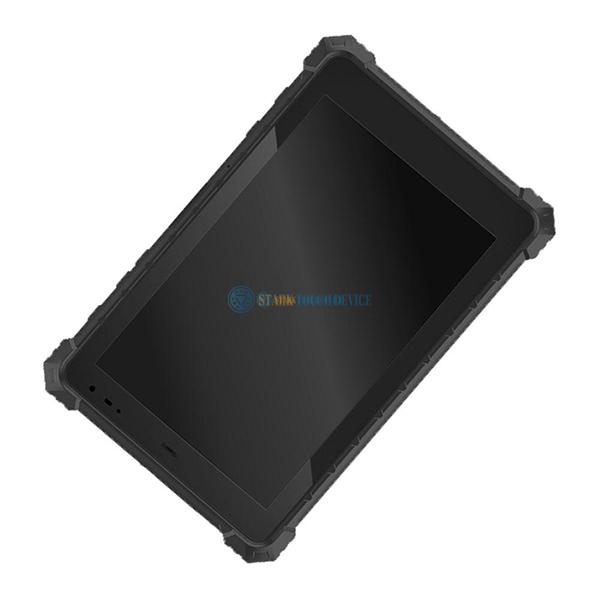
Compact Chassis for Space-Constrained Applications
Small Form Factor Designs
In environments where space is at a premium, compact ICC chassis are the preferred choice. These chassis are designed to minimize footprint while still accommodating essential components like the motherboard, power supply, and storage devices. Small form factor (SFF) chassis are often used in applications such as embedded control systems, where the computer is integrated directly into machinery or equipment.
SFF chassis typically feature dimensions that are significantly smaller than standard desktop or rack-mounted cases. They may utilize specialized motherboards, such as mini-ITX or pico-ITX, which offer a reduced physical size without sacrificing essential functionality. Despite their compact size, these chassis often include provisions for cooling, such as small fans or heat sinks, to ensure reliable operation in industrial environments.
Wall-Mountable Options
Another variation of compact chassis is the wall-mountable design. These chassis are specifically engineered to be mounted on walls or other vertical surfaces, freeing up valuable floor or desk space. Wall-mountable ICCs are commonly used in applications like building automation, where multiple control units need to be distributed throughout a facility without taking up excessive space.
These chassis are typically designed with a slim profile and may include features like cable management systems to keep wiring neat and organized. Some wall-mountable models also offer IP ratings for protection against dust and moisture, making them suitable for use in harsh industrial environments.
Mid-Size Chassis for Balanced Performance and Expandability
Standard Desktop-Inspired Designs
Mid-size ICC chassis offer a balance between compactness and expandability, making them suitable for a wide range of industrial applications. These chassis are often inspired by standard desktop computer designs but are ruggedized to withstand the rigors of industrial use. They typically feature dimensions that allow for the installation of full-sized motherboards, multiple expansion slots, and several storage devices.
Mid-size chassis are ideal for applications that require a moderate level of processing power and the ability to add peripherals or expansion cards. For example, they may be used in manufacturing control systems where additional I/O cards are needed to interface with various sensors and actuators. The larger size also allows for better airflow and cooling, which is essential for maintaining stable operation in industrial settings.
Short-Depth Rack-Mountable Models
For applications that require rack-mounting but don't need the full depth of a standard rack-mounted chassis, short-depth models are available. These chassis are designed to fit into shallow racks or enclosures, making them suitable for space-constrained server rooms or control cabinets.
Short-depth rack-mountable ICCs typically offer similar expandability to mid-size desktop-inspired chassis but in a more compact form factor. They may include features like hot-swappable drive bays for easy maintenance and redundant power supplies for increased reliability. These chassis are commonly used in applications like data acquisition and control systems, where multiple computers need to be housed in a single rack.
Full-Size Chassis for High-Performance and Extensive Expandability
Standard Rack-Mounted Designs
Full-size rack-mounted ICC chassis are the go-to choice for applications that demand high performance and extensive expandability. These chassis are designed to fit into standard 19-inch racks and offer ample space for full-sized motherboards, multiple expansion slots, and a large number of storage devices. They are commonly used in large-scale industrial automation systems, data centers, and other mission-critical applications.
Standard rack-mounted chassis typically feature robust construction to withstand the vibrations and shocks common in industrial environments. They may include advanced cooling systems, such as multiple fans or liquid cooling solutions, to ensure reliable operation under heavy loads. Additionally, these chassis often offer features like redundant power supplies, hot-swappable components, and remote management capabilities for increased reliability and ease of maintenance.
Extended-Depth Models for Specialized Needs
For applications that require even more space for specialized components or extensive cabling, extended-depth rack-mounted chassis are available. These chassis offer additional depth beyond the standard rack dimensions, allowing for the installation of larger motherboards, multiple graphics cards, or other high-profile components.
Extended-depth models are commonly used in applications like video surveillance systems, where multiple high-resolution cameras need to be processed in real-time, or in scientific research facilities where complex data acquisition and analysis are required. The larger size also provides more room for cable management, reducing clutter and improving airflow within the chassis.