Welcome STARK TOUCH DEVICE!


Products
This section gathers the display products used in industrial equipment, commercial installations and OEM projects. Rather than one catalogue, it is organised the way projects are actually specified: by what the screen has to do and where it has to survive.
How to find the right starting point
Screen mounted into equipment or a cabinet. Panel-mount and open-frame industrial touch monitors are specified around the cut-out, the sealing method and the depth available behind the panel. Touch technology is chosen by who touches the screen and with what.
Public-facing screens. The digital signage range splits into indoor and outdoor installations, because brightness, sealing, cooling and cleaning requirements differ fundamentally between them.
Large or unusual formats. Video walls built from splicing displays, strip and shelf-edge formats, transparent panels and curved or hanging installations each solve a specific layout problem that a standard rectangular screen cannot.
Mobile and field use. Rugged portable computers and industrial tablet PCs are chosen around the working day — drops, daylight, gloves, battery changes and cleaning — rather than around office performance.
What determines the specification
Four questions settle most projects: where the screen is installed and what light falls on it; what it has to survive in terms of dust, water, temperature and handling; how the host system talks to it; and how long the equipment must remain in service. Size and resolution follow from those, not the other way round.
Where readability under bright light is the constraint, optical bonding is often the deciding factor. Where the requirement cannot be met by a standard format, the display is usually specified to the project rather than selected from a list.
Supply and consistency
Industrial equipment stays in service far longer than consumer hardware, and a replacement that no longer matches the original causes real problems on a production line. A fixed configuration, a recorded approved sample, controlled batch-to-batch consistency and advance notice when a component reaches end of life are therefore part of the product, not after-sales extras.
-
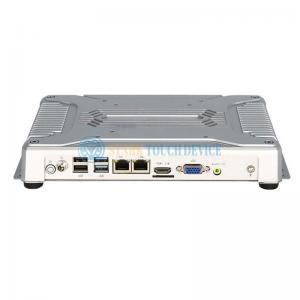
Industrial Box PC | Windows/Android Dual OS | 8-128GB Configurations
-
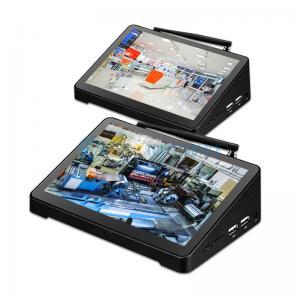
[6.0 inch] Rugged Handheld Terminal | Windows [10 IoT] | [IP65]
-
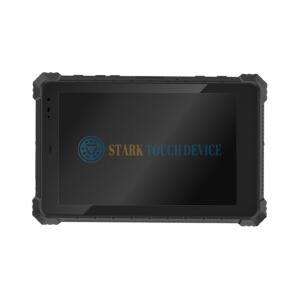
IP68 Industrial Tablet PC | Windows/Android | i5/i7 | 1000nit Sunlight Readable
-
X86 Rugged Embedded Computer | Intel i3/i5/i7 | IP65 Industrial Grade
-
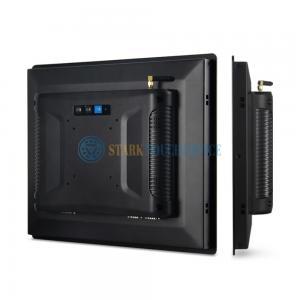
Fanless Industrial Panel PC | Wide-Temperature Operation | IP65 Sealed Design
-
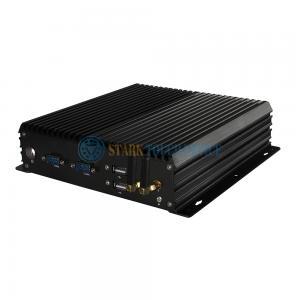
X86 Industrial Mini PC | Fanless Design | Intel i3/i5/i7 | Wide-Temperature
-
Stainless Steel Waterproof All-in-One Touch PC | IP67 | Sanitary Grade
-
External Embedded Capacitive Touch Monitor | IP65 Waterproof | Machine-Mountable Design
![[6.0 inch] Rugged Handheld Terminal | Windows [10 IoT] | [IP65]](/Uploads/pro/6.0inch-handheld-[model].28.1.jpg)