Welcome STARK TOUCH DEVICE!


Blog
-
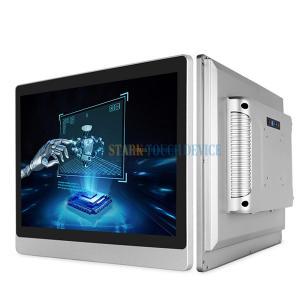
Industrial control computer display output interface
Industrial control computers rely on robust display output interfaces to connect with monitors, touchscreens, and other visual output devices. These interfaces play a critical role in ensuring real-time data visualization, operator interaction, and system monitoring in industrial environments. Selecting the right display output interface involves considering factors like resolution support, signalRead more -
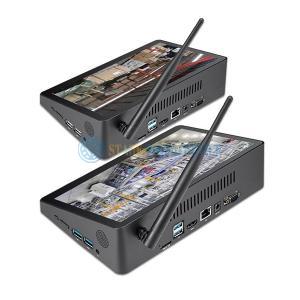
Industrial control computer USB interface version
Industrial control computers rely on USB interfaces to connect peripherals, sensors, and external storage devices, enabling flexible data transfer and device integration. The choice of USB version significantly impacts performance, reliability, and compatibility in industrial environments. This article explores the evolution of USB standards, their relevance to industrial applications, and key conRead more -
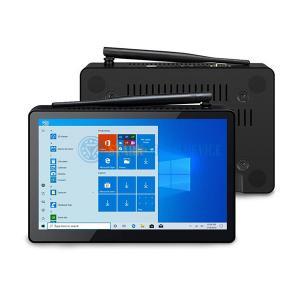
Industrial control computer network bandwidth support
Industrial control computer networks are the backbone of modern manufacturing, enabling real-time communication between devices, sensors, and control systems. To ensure smooth operations, these networks must meet specific bandwidth requirements tailored to their unique applications. This article explores the bandwidth needs of industrial control networks, the factors influencing them, and strategiRead more -
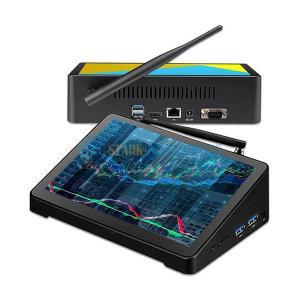
The digital-analog conversion accuracy of industrial control computers
Industrial control computers rely on digital-to-analog converters (DACs) to translate digital commands into precise analog signals, driving actuators, valves, and other components. A critical factor in DAC performance is accuracy, which determines how closely the output matches the intended digital value. This article explores the components of DAC accuracy, its impact on industrial applications,Read more -
Digital conversion bit number of industrial control computer
Industrial control computers rely on analog-to-digital converters (ADCs) to translate real-world signals like temperature, pressure, or vibration into digital data for processing. A critical parameter in ADC selection is bit resolution, which determines how precisely the converter can represent analog inputs. This article explores the significance of bit resolution, its impact on industrial applicRead more